
Community and Stakeholder Engagement
The Digital Mining Museum is built with communities, not just about them.
Why Engagement Matters
Heritage belongs to the people who lived it. The Digital Mining Museum is grounded in the conviction that the communities of the Jiu Valley — former miners, their families, local residents, cultural organisations and civic institutions — are not merely the subjects of this museum, but its most essential collaborators and co-creators.
Community and stakeholder engagement is therefore not an add-on to the museum’s work — it is central to its methodology and its values. Without the participation of local people, the museum would hold objects and spaces but lose the meaning that makes them heritage. Without the involvement of institutions, the museum would lack the authority, resources and networks needed to preserve and share what has been gathered. And without ongoing dialogue with the wider public, the museum would risk becoming a closed archive rather than a living cultural resource.
The engagement model developed through HI-EURECA-PRO brings together multiple layers of participation — from formal institutional partnerships to informal contributions from individuals — into a coherent approach that honours both the complexity of Jiu Valley heritage and the diversity of those who care about it.
Collaboration with Local Authorities, Museums, NGOs and Former Mining Communities
The Digital Mining Museum has been developed in active partnership with a range of local and regional stakeholders whose knowledge, access and trust have been indispensable to the project.
Local and Regional Authorities
Municipalities across the Jiu Valley — including Petroșani, Petrila, Lupeni, Vulcan and Uricani — hold significant institutional memory and administrative records related to the history of mining in their territories. Collaboration with local authorities has supported access to sites, facilitated community connections and helped ensure that the museum’s work is aligned with regional development priorities and heritage protection frameworks.
Museums and Cultural Institutions
Partner museums and cultural institutions in the region hold physical collections — photographs, documents, objects and archives — that complement and contextualise the digital materials gathered by the project. These partnerships have enabled the digitisation of materials that would otherwise remain inaccessible to the public, and have created lasting connections between the digital museum and the wider heritage infrastructure of the Jiu Valley.
NGOs and Civil Society Organisations
Non-governmental organisations working in the fields of heritage conservation, community development, social memory and cultural identity have been essential bridges between the project team and local communities. Their existing relationships and grassroots knowledge have opened doors — both literally and figuratively — that formal institutional channels alone could not have reached.
Former Mining Communities
At the heart of the engagement model are the people who know Jiu Valley mining from the inside — former miners, engineers, safety officers, union representatives, and the families who supported them through decades of underground work. Their willingness to share memories, donate materials and participate in oral history recordings has given the museum its most irreplaceable content: the human voice of industrial heritage.
Joint Events, Workshops, Exhibitions and Co-Creation Activities
Engagement is most meaningful when it is active and participatory. Across the lifespan of the HI-EURECA-PRO project, a range of events and activities have been organised — and more are planned — to bring communities together around the shared goal of preserving and celebrating mining heritage.
Oral History Collection Workshops
Structured sessions have been held with former miners and community members to record testimonies and gather memories in a supportive, respectful environment. These workshops are designed not only to collect material for the museum but to give participants the experience of having their stories valued, documented and preserved for future generations.
Co-Creation Sessions
Working groups bringing together community members, local experts and the project team have contributed directly to decisions about what the museum should contain, how it should be organised, and what stories it should tell. This co-creation approach ensures that the museum reflects community priorities rather than being imposed from outside.
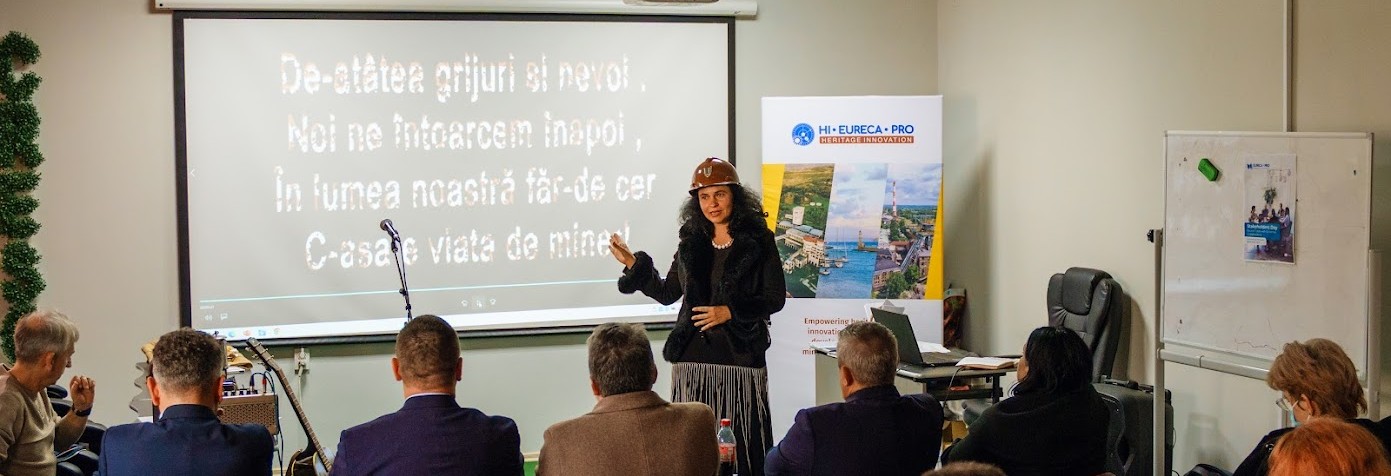
Presentations of the Digital Mining Museum platform have been held for local audiences in the Jiu Valley, introducing residents — including many who have never engaged with digital heritage tools before — to the virtual tour and archival collections. These sessions have generated valuable feedback and strengthened community ownership of the project.
Exhibitions and Cultural Events
The museum’s content has been shared through public exhibitions and cultural events that bring heritage out of the digital space and into physical community settings — schools, cultural centres, local festivals and public spaces — reaching audiences who may not yet have encountered the online platform.
Future Events
Further workshops, community presentations and collaborative events are planned as the museum continues to develop. Details of upcoming activities will be shared via the HI-EURECA-PRO website and social media channels. Stakeholders and community members who would like to propose or host an event are warmly invited to get in touch.
Contribute to the Museum
The Digital Mining Museum is a growing resource, and some of the most valuable additions to its collections come directly from individuals and families who hold materials that no institution has preserved.
What You Can Contribute
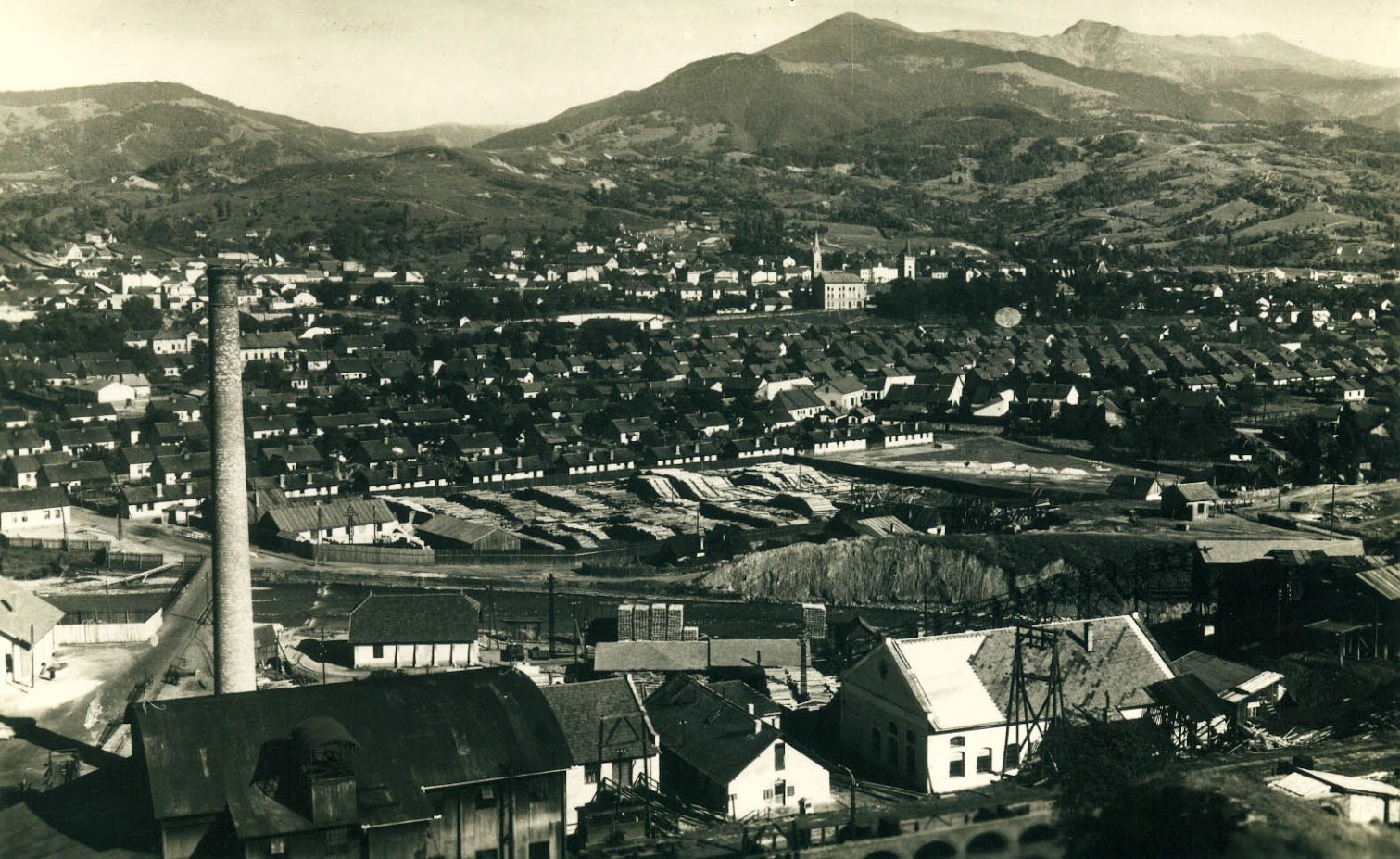
Photos — personal or family photos documenting mine life, workers, community events, buildings or landscapes from any period
Documents — letters, pay slips, union cards, certificates, technical notes or any written records related to mining work or community life
Stories and Memories — written or spoken recollections of working underground, of community life, of significant events, or of the experience of mine closures and their aftermath
Objects — miners’ lamps, tools, badges, uniforms or other artefacts associated with mining work (contributions of physical objects can be discussed on a case-by-case basis with partner institutions)
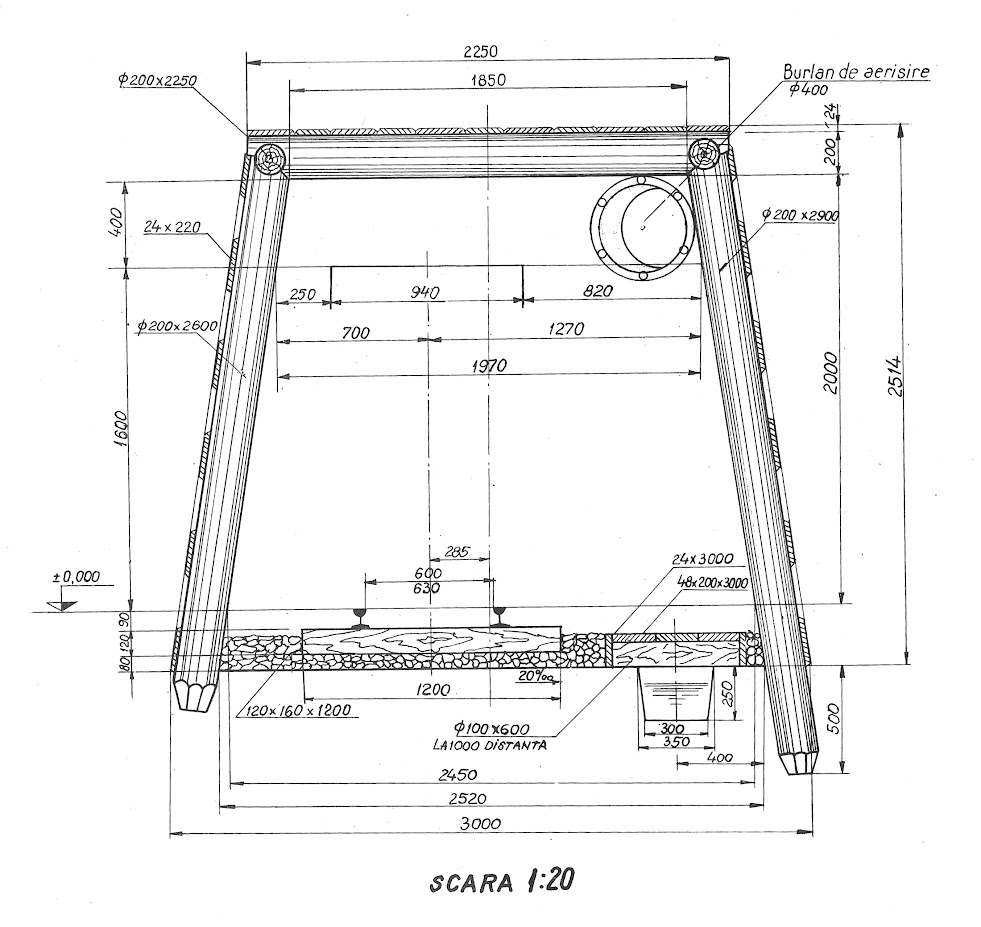
Maps and Technical Drawings — any spatial or technical documentation of mine sites, buildings or infrastructure
How Contributions Are Handled
All contributed materials are treated with care and respect. Contributors retain ownership of their materials; the museum requests permission to digitise and publish them, with full attribution given wherever content is displayed. Digitised copies are returned to contributors upon request. For sensitive materials or stories, contributors can discuss confidentiality arrangements with the project team before any material is shared publicly.
How to Contribute
To offer a contribution or discuss what you might share, please use the Contact page. The team will respond to all enquiries and will be glad to discuss the best way to include your contribution in the collection.
For Institutions and Organisations
If your institution — a museum, archive, local authority, school, NGO, research centre or cultural organisation — holds materials or expertise relevant to Jiu Valley mining heritage, or if you are working on initiatives related to post-industrial heritage, just transition or community memory more broadly, the HI-EURECA-PRO team would welcome the opportunity to explore collaboration.
Possible forms of collaboration include joint digitisation projects, content partnerships, shared events, research cooperation and inclusion in the museum’s network of partner institutions. Please reach out through the Contact page to start the conversation.